
In today’s competitive job market, finding the right opportunity can be challenging, especially within large retail companies like Coles. Whether you’re seeking a casual position, part-time work, or a career with growth potential, understanding how to navigate Coles’ hiring process and workplace culture can give you a crucial edge. This comprehensive guide will walk you through the essentials of unlocking career opportunities at Coles, equipping you with practical strategies to succeed and advance in one of Australia’s leading supermarket chains.
Understanding Coles as an Employer
Coles is one of Australia’s largest supermarket retailers, employing over 100,000 people nationwide. The company offers a wide range of job roles—from customer service and store operations to supply chain, corporate, and management positions. Its focus on diversity, inclusion, and employee development makes Coles an attractive employer for job seekers across different experience levels.
Recognizing Coles’ organizational values and business model is essential before applying. The company emphasizes customer satisfaction, teamwork, innovation, and sustainability. Candidates who align with these values tend to perform better during interview stages and fit more seamlessly into the company culture.
What Types of Jobs Are Available at Coles?
- Retail Roles: Checkout operators, shelf stackers, customer service assistants, and department specialists (e.g., bakery, deli, fresh produce).
- Warehouse and Logistics: Forklift operators, warehouse packers, drivers, and inventory managers.
- Management Positions: Store managers, assistant managers, team leaders, and department managers.
- Corporate Opportunities: Roles in marketing, HR, finance, IT, and supply chain management.
- Graduate and Internship Programs: Designed for recent graduates looking to build a career in retail management or corporate functions.
How to Find Current Job Openings at Coles?
The most reliable way to access job postings is through Coles’ official careers website. There, you can filter roles by location, job type, and employment status (full-time, part-time, casual). Additionally, Coles partners with popular job boards such as Seek and Indeed, where you can find updated listings.
Signing up for job alerts on these platforms helps you stay informed about new opportunities. Networking through LinkedIn or attending retail job fairs can also provide inside information and increase your chances of getting hired.
Preparing a Strong Application for Coles
Before submitting your application, it’s vital to tailor your resume and cover letter specifically for Coles. Highlight relevant experience such as customer service skills, teamwork, and adaptability. Use keywords from the job description to pass automated screening systems.
- Resume Tips: Keep it concise—ideally one to two pages—with clear sections for work experience, skills, and education.
- Cover Letter Focus: Demonstrate your understanding of Coles’ values and how you can contribute to their goals.
- Online Application: Ensure all fields are completed accurately and upload documents in the requested format (usually PDF).
Some roles may require you to answer behavioral questions during the application. Use the STAR method (Situation, Task, Action, Result) to craft compelling responses.
What to Expect During the Interview Process?
Coles typically conducts a multi-stage interview process:
- Initial Screening: A brief phone or video call to verify your background and availability.
- Face-to-Face or Video Interview: Questions may focus on customer service scenarios, teamwork, and problem-solving abilities.
- Assessment Tasks: Some positions require skills tests or situational judgment assessments.
Preparing for common interview questions and practicing situational responses can boost your confidence. For example, you might be asked, “How would you handle a difficult customer?” or “Describe a time you worked effectively in a team.”
Advancing Your Career Within Coles
Once hired, Coles offers numerous opportunities for career growth. Internal training programs, mentorship, and leadership development are available to help employees progress. Many store managers started in entry-level roles, demonstrating that dedication and skill can lead to advancement.
Coles also supports flexible work arrangements, which can be beneficial for students or individuals balancing other commitments. Regular performance reviews provide feedback and identify pathways for promotion.
Tips for Long-Term Success at Coles
- Embrace Continuous Learning: Take advantage of training modules and workshops offered by the company.
- Show Initiative: Volunteer for new projects or responsibilities to stand out.
- Build Relationships: Networking internally can open doors to different departments or roles.
- Stay Adaptable: Retail environments change rapidly; being flexible and solution-oriented helps you thrive.
Common Challenges and How to Overcome Them
Applying for jobs at large retailers like Coles can come with challenges such as high competition and automated screening. To overcome these:

- Customize Your Application: Avoid generic resumes; tailor each one to the specific role.
- Follow Up Professionally: If possible, send a polite email to express continued interest after applying.
- Prepare Thoroughly: Research the company and practice interview techniques.
- Be Patient and Persistent: Hiring processes can take several weeks; keep applying to multiple roles and improving your skills.
Conclusion
Unlocking career opportunities at Coles requires a strategic approach—from understanding the company’s culture and job offerings to crafting tailored applications and preparing thoroughly for interviews. By following this guide, you’ll be better equipped to navigate Coles’ job market and position yourself for success, whether you’re seeking your first retail job or aiming for management roles.
Ready to take the next step? Start by visiting the official Coles careers page today, update your resume with the tips shared here, and apply confidently to roles that match your skills and aspirations. Don’t forget to save this comprehensive guide for future reference, share it with friends who are job hunting, and subscribe to career newsletters to stay updated on new opportunities.

Unlocking Opportunities: Your Guide to Woolworths Careers
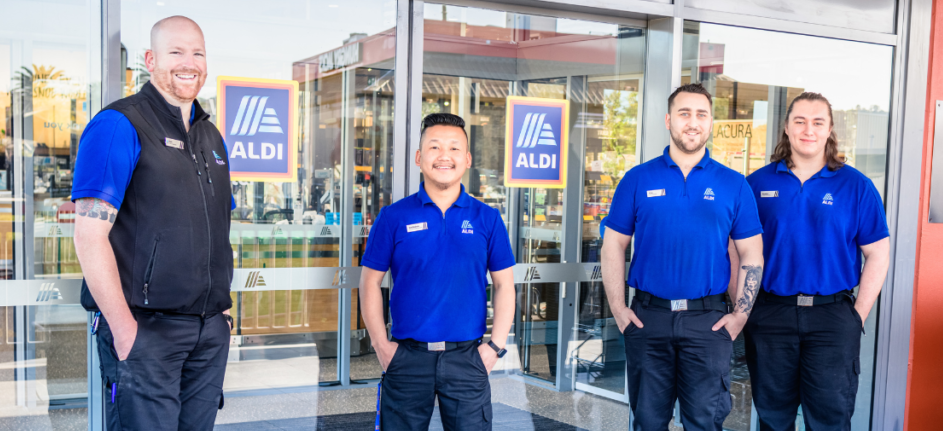
Unlocking Opportunities: Your Guide to Careers at Aldi
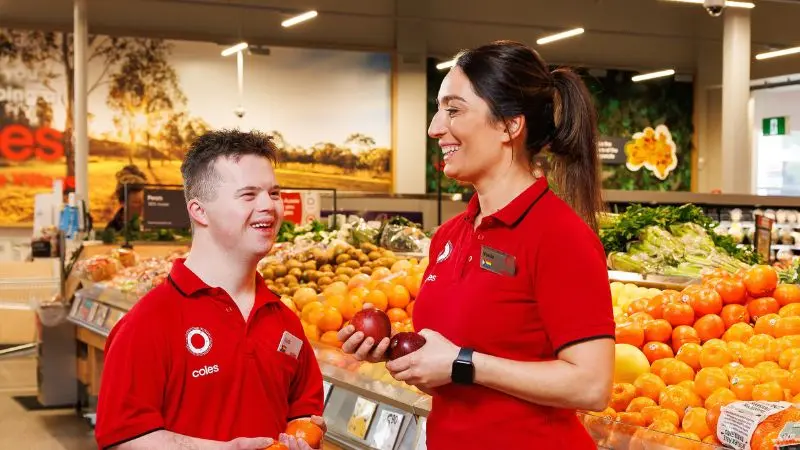
A Complete Guide to Career Opportunities at Coles

Unlocking Career Opportunities at Bunnings Warehouse
Unlocking Opportunities: Your Guide to Careers at Costco

Exploring Careers at Bupa: Your Guide to a Leading Health Provider
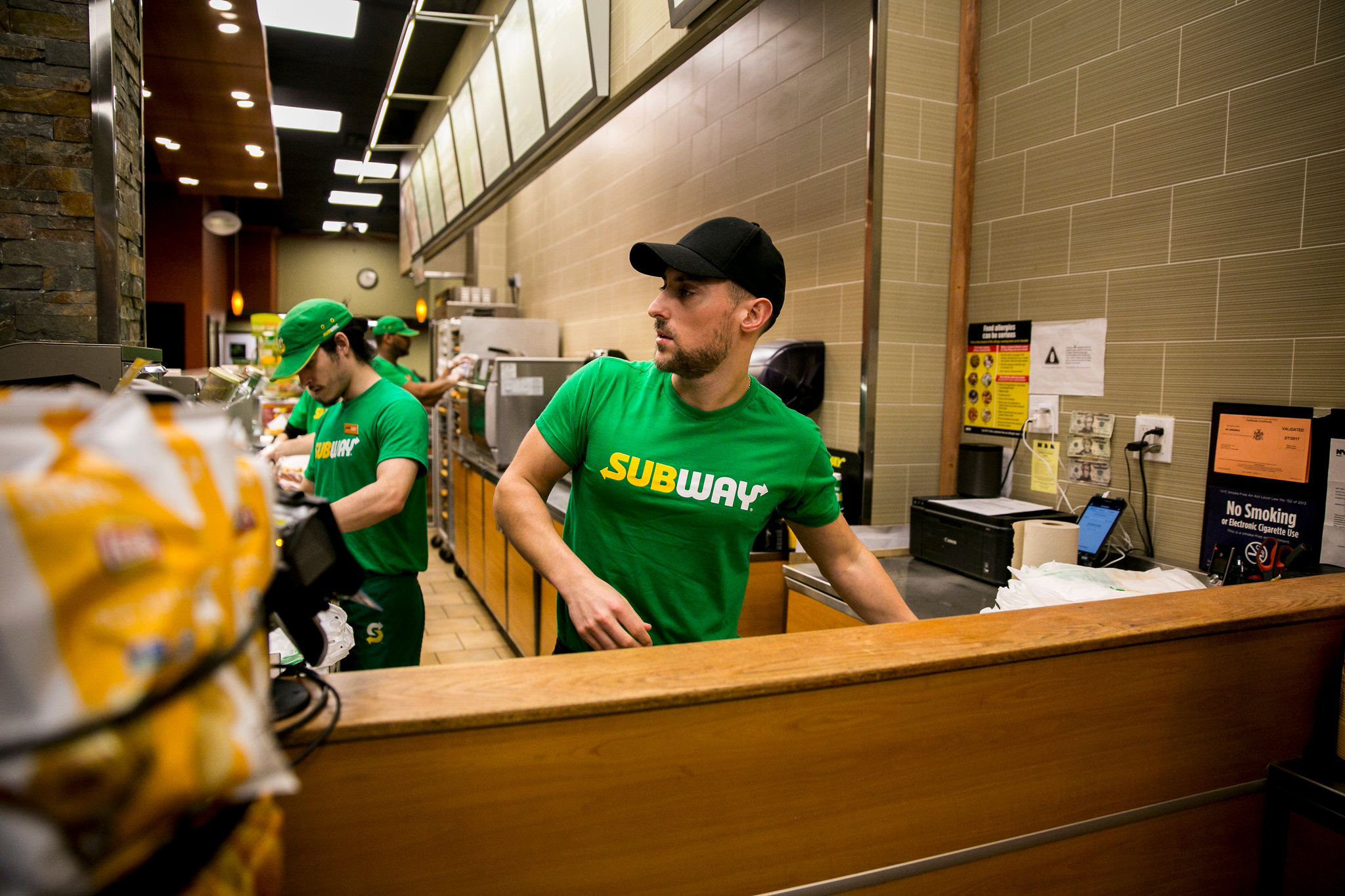
Exploring Careers at Subway: A New Era in the Fast Food Workforce

Unlocking Opportunities: How Starbucks Can Elevate Your Career

Work with a Leading Company! Amazon Hiring Now